Scott 3200A Tailwheel – Fully Rebuilt: Precision Steering for Taildragger Aircraft
Scott 3200A Tailwheel – Fully Rebuilt: Precision Steering for Taildragger Aircraft
Blog Article
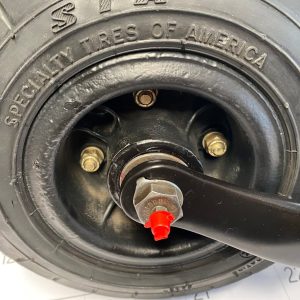
The Scott 3200A Tailwheel – Fully Rebuilt may suit classic airplanes, utility aircraft, bush planes, experimental designs, and other compatible general aviation platforms. Buyers should request an itemized rebuild summary instead of assuming that every component within the assembly is new.
A correctly rebuilt Scott 3200A Tailwheel Assembly can support predictable steering when installed and adjusted properly on a compatible aircraft. The actual condition of a Scott Tailwheel Assembly should be determined through appropriate inspection rather than cosmetic appearance alone.
A worn or incorrectly configured Aircraft Tailwheel Assembly can contribute to shimmy, poor tracking, binding, excessive swivel, uneven tire wear, or difficult maneuvering. A General Aviation Tailwheel operating mainly on pavement may experience different wear from one used regularly on grass, gravel, dirt, or backcountry strips.
Whether operators are sourcing a Heavy-Duty Aircraft Tailwheel, Tailwheel Aircraft Parts, or Aircraft Steering Tailwheel, condition and documentation should remain central.
Understanding the Scott 3200A Tailwheel
The Scott 3200A combines mechanical steering and swivel functions in a design familiar to many tailwheel pilots, restorers, and aviation maintenance professionals. Maintenance personnel should inspect the complete tailwheel arrangement before concluding that one component is responsible for steering difficulty or shimmy.
Benefits of the Scott 3200A Tailwheel Assembly
Its mechanical configuration can support directional control during normal taxiing while allowing wider turning movement when required. A rebuilt unit may include inspected housings, renewed bearings, replacement bushings, serviced steering components, fresh lubrication, suitable hardware, and adjusted internal parts.
Evaluating a Rebuilt Scott Tailwheel Assembly
Final adjustment and functional testing should confirm that the Scott Tailwheel Assembly operates consistently. Buyers should distinguish between cleaned, serviced, repaired, inspected, overhauled, and fully rebuilt descriptions.
How an Aircraft Tailwheel Assembly Works
The assembly carries tail weight while managing runway irregularities, side loads, repeated landing cycles, and directional forces. Incorrect linkage tension can cause delayed steering, harsh engagement, restricted movement, or unnecessary component loading.
General Aviation Tailwheel Applications
A General Aviation Tailwheel may operate from paved airports, grass runways, gravel strips, private fields, dirt airstrips, and backcountry locations. Training aircraft may accumulate frequent taxi and landing cycles, while bush airplanes may experience greater surface irregularity and impact loading.
Choosing an Aircraft Tailwheel
The assembly remains part of a complete ground-handling system that also includes rudder control, brakes, main gear, and pilot technique. The tire should be inspected for cuts, flat spots, cracking, uneven wear, deterioration, contamination, and correct condition.
Taildragger Tailwheel Performance
A Taildragger Tailwheel assists conventional-gear aircraft with directional control during taxi, takeoff, landing, and ramp maneuvering. Maintenance should address both ordinary wear and damage following unusual ground events.
Benefits of an Aviation Tailwheel System
A worn tail spring or loose mounting bolt may cause poor tracking even when the rebuilt tailwheel remains mechanically serviceable. Excessive slack can delay steering response, while excessive tension may restrict movement or overload components.
Benefits of a Tailwheel Steering Assembly
The mechanism should respond smoothly without sticking, harsh engagement, excessive delay, uncontrolled release, or irregular centering. Hardware should remain secure, correctly sized, and check here appropriate for the assembly.
Benefits of an Aircraft Ground Handling Tailwheel
Reliable ground handling begins with a serviceable assembly and a correctly adjusted installation. Responsible ground movement protects the Aircraft Ground Handling Tailwheel and surrounding structure.
Choosing a Scott 3200 Series Tailwheel
The Scott 3200 Series Tailwheel has become familiar within general aviation through its use on numerous conventional-gear aircraft and restoration projects. Model identification should be supported through reliable references and qualified review.
Heavy-Duty Aircraft Tailwheel Applications
A Heavy-Duty Aircraft Tailwheel may be considered for utility, bush, training, agricultural, work-oriented, or backcountry aircraft exposed to demanding ground use. Preventive maintenance supports reliable Heavy-Duty Aircraft Tailwheel operation.
Choosing Tailwheel Aircraft Parts
Visually similar hardware can differ in dimensions, material, strength, finish, or mechanical fit. Replacing only the most obvious damaged component may not correct the underlying issue.
Aircraft Steering Tailwheel Performance
A rebuilt steering mechanism should be evaluated for smooth, consistent, and repeatable operation. Pilots should use techniques appropriate to the aircraft and avoid unnecessary mechanical stress.
Benefits of a Replacement Aircraft Tailwheel
A Replacement Aircraft Tailwheel should be selected through exact aircraft application, mounting details, tail-spring configuration, steering arrangement, and suitable technical information. The replacement should be inspected after delivery for shipping damage, missing components, rough bearings, incorrect hardware, cracks, or visible defects.
Buying General Aviation Landing Gear Parts
A complete landing gear assessment may reveal concerns beyond the tailwheel itself. The product description should explain whether components are rebuilt, repaired, serviced, inspected, untested, or sold for parts.
Evaluating a Scott 3200A Tailwheel
The buyer should request enough information for a qualified maintenance professional to review the assembly before purchase.
- Confirm that the assembly is a Scott 3200A, review all visible markings, compare mounting details, and verify the wheel-and-fork configuration for the intended aircraft.
- Review the rebuild summary for disassembly, cleaning, inspection, bearing replacement, bushing work, spring service, lubrication, hardware renewal, adjustment, and testing.
- Require packaging that protects the wheel, fork, steering arms, mounting surfaces, fittings, and loose hardware from impact and movement.
Commissioning a Rebuilt Scott 3200A
The aircraft should be supported safely while the existing assembly, tail spring, steering links, mounting bolts, and surrounding structure are inspected. The steering linkage should respond properly without restricting rudder movement.
Pilots should report delayed steering, pulling, vibration, noise, binding, or irregular swivel behavior.
Routine Tailwheel Inspection and Service
Consistent servicing protects the value of the Scott 3200A Tailwheel – Fully Rebuilt. Pilots should inspect the tailwheel before operation for tire damage, loose hardware, bent parts, steering-link condition, contamination, corrosion, and visible misalignment.
Corrosion protection may be especially important in humid, coastal, agricultural, outdoor-storage, or wet operating environments.
Selecting a Scott 3200A Tailwheel Assembly
The Scott 3200A Tailwheel – Fully Rebuilt can provide a dependable replacement option for compatible aircraft when its rebuild quality, condition, configuration, and documentation are verified. A qualified aircraft maintenance professional should evaluate the complete installation before the tailwheel is returned to operational service.
Whether the requirement is a Scott 3200A Tailwheel Assembly, Scott Tailwheel Assembly, Aircraft Tailwheel Assembly, or General Aviation Tailwheel, exact installation details should guide the purchase. With qualified evaluation and continued care, the Scott 3200A Tailwheel – Fully Rebuilt can deliver a professional combination of durability, directional control, and reliable aircraft ground performance.
Report this page